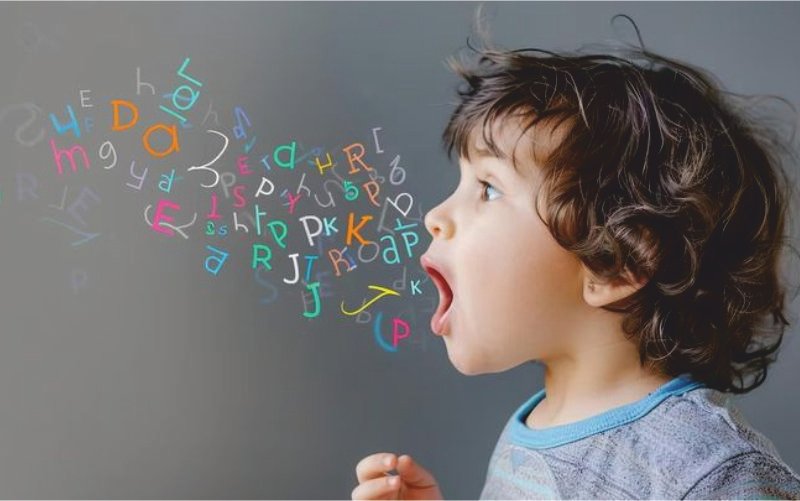
As parents, watching your child grow and hit developmental milestones is an exciting journey. However, one common concern many parents face is wondering whether their child's speech and language development is on track. Speech delay is one of the most common developmental issues in young children, but early identification can make a world of difference.
What is a Speech Delay?
A speech delay occurs when a child isn't developing speech and language skills at an expected rate. It is important to understand the difference between speech and language. Speech is the physical act of producing sounds and forming words (like issues with Misarticulation or "Tutlana"). Language refers to the broader system of giving and receiving information.
Common Early Signs to Watch For
While every child develops at their own pace, there are certain red flags parents should monitor:
- By 12 Months: Not using gestures like pointing or waving bye-bye, or not babbling with consonant sounds.
- By 18 Months: Preferring gestures over vocalizations to communicate, having trouble imitating sounds, or not understanding simple verbal requests.
- By 2 Years: Can only imitate speech or actions but doesn't produce words spontaneously. Having a vocabulary of fewer than 50 words.
- General Signs: An unusual tone of voice (raspy or nasal sounding), or speech that is very difficult for parents and regular caregivers to understand.
When to Consult a Professional?
If you notice any of these signs, it is highly recommended to consult a qualified Audiology and Speech-Language Pathologist. In our clinic in Ahmedabad, we conduct comprehensive evaluations to determine the root cause—whether it is a simple delay, a hearing impairment, or related to conditions like Autism.
Early intervention, such as Auditory Verbal Therapy (AVT) or specialized articulation exercises, can help your child catch up with their peers and communicate confidently. Don't adopt a "wait and see" approach when professional help is easily accessible.